Guglielmo Montone

montone.guglielmo@gmail.com
Portrait of Guglielmo Montone

Overview

Hi, I’m Guglielmo 👋. I’m an AI researcher and entrepreneur with over 8 years of academic research experience and 6 years leading applied AI projects in the semiconductor industry — including co-founding and serving as CTO of a startup, where we grew the team from 2 to 20 and built and deployed production AI systems.

My research interests focus on embodied AI, vision–language–action models, and self-supervised architectures — broadly, how to teach machines to perceive, act, and learn in the real world, in ways that resemble human intelligence.

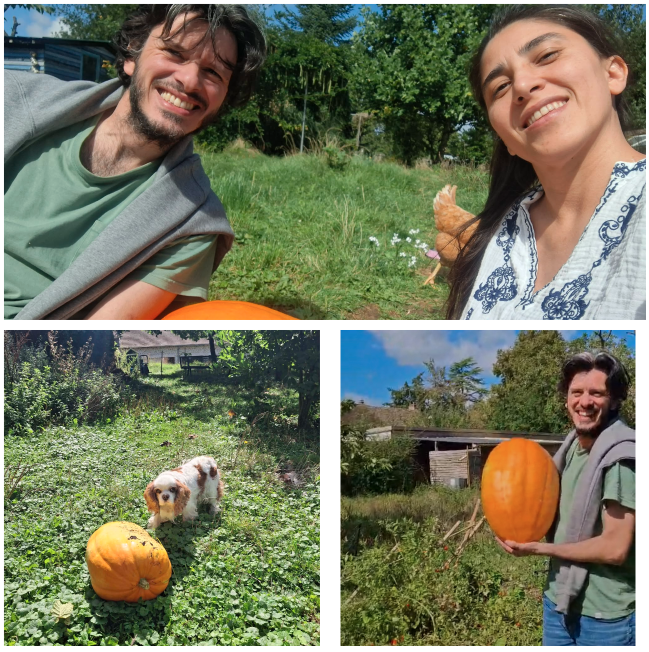
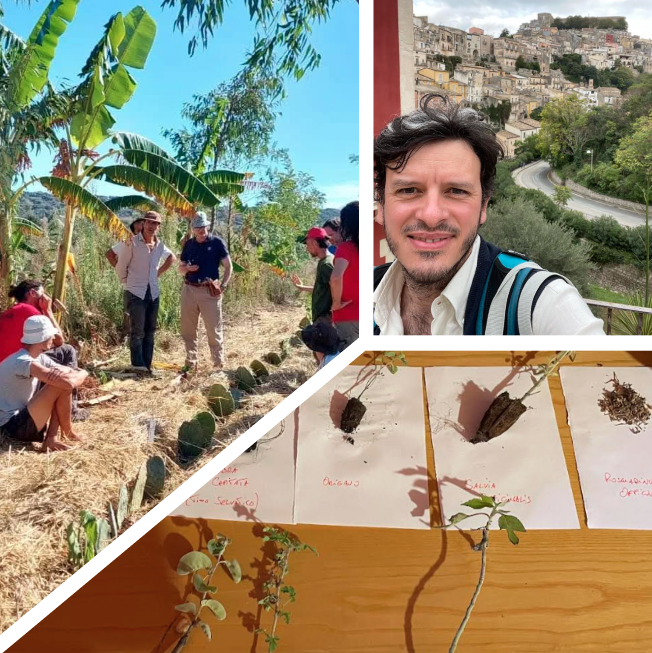
Outside of work, I live in the countryside, grow my own vegetables 🌱, and teach yoga. I'm passionate about building a life—and maybe a future society—that is self-sufficient, sustainable, mindful, and compassionate…with plenty of robots all around! 🤖🙂

Research Interests

Towards smarter Vision-Language-Action models thumbnail

Towards smarter Vision-Language-Action models
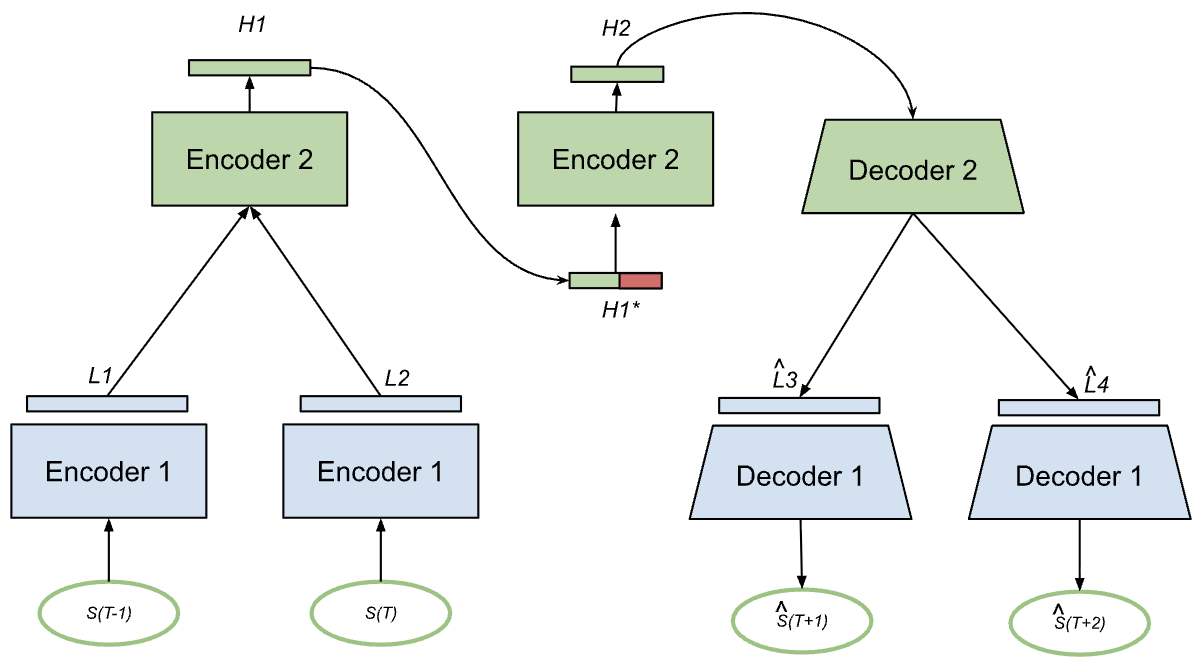
In this document, I outline what I consider to be the main limitations of Visual-Language-Action (VLA) models and propose potential ways to address them. The architecture I suggest offers several advantages:

  1. Extension of VJepa: Fully self-supervised, eliminating the need to collect data through teleoperation of the robot.
  2. Explicit Hierarchical Representation of Sensorimotor Loops: Supports both fast and slow robot control loops, reducing latency issues common in large VLA models.
  3. Integration of Sensor, Motor, and Planning Capabilities: Sensors and motors are represented at multiple levels of abstraction, allowing the architecture to create a cohesive representation. This improves the robot's efficiency in determining the appropriate motor plan to interact with objects in the visual scene.
I would love to hear your feedback!! You can access the full document via the link below.

Read Publication
Curiosity-Driven Exploration thumbnail

Curiosity‑Driven Exploration in Robots
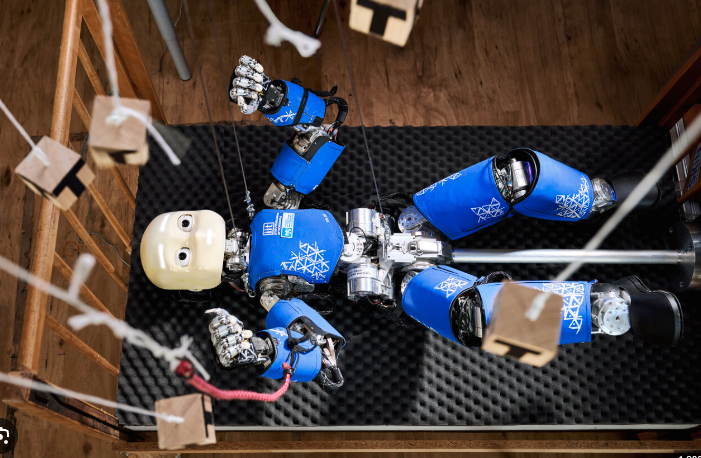
I am fascinated by how intrinsically motivated agents — both biological and artificial — explore and learn about their environments through self‑driven interaction rather than external supervision. This interest builds on sensorimotor approaches to perception and cognition, such as the FEEL project led by Kevin O'Regan, During this project, I participated in several studies and experiments on sensorimotor contingency learning in infants, including work on infants’ sensitivity to real-time arm-movement contingencies. I also contributed to the design of a robotized pacifier and a baby-gym, both created to study how babies discover and interact with sensorimotor regularities.

Robotic Pacifier

More about me